Farm store now open for 2026! Beef, pork, chicken and more in stock.

How to Cook Organic Grass Fed Steak

posted on

September 30, 2022

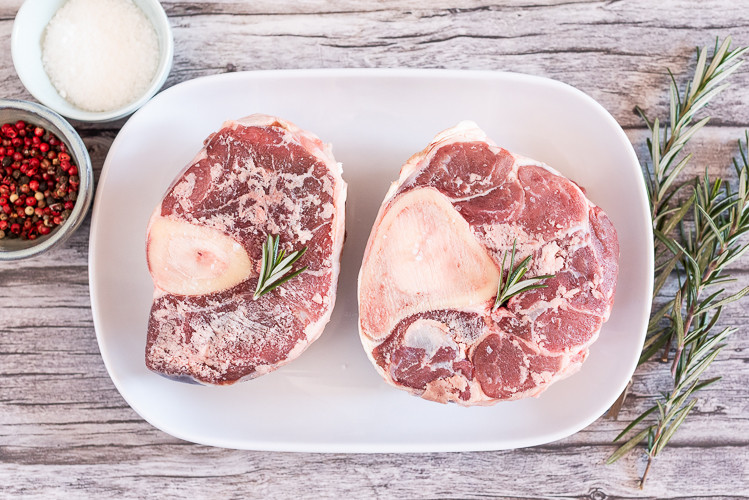
Over our years of raising and selling pasture raised meat, one of the questions we hear quite frequently is how to cook our organic grass fed steak. It can be a barrier for people who might want to try pastured beef for its health and environmental benefits but are unsure they will be able to cook it properly.   We can help you get the steaks that are delivered to your home in Ontario onto your plates in the most delicious way.

Our beef cattle spend their lives outside grazing our pastures. Spring, summer and fall they graze our lush grass with access to fresh water, minerals and salt. In winter, they are still outside but with shelter from the elements and our certified organic hay. They are 100% grass fed and finished.

Grass-fed cows raised on pasture are leaner and more muscular than conventionally raised cows that get little to no exercise. That difference is what makes their meat full of healthy Omega-3 fats and CLA. It also requires a different approach to cooking the different cuts. Here are some tips for cooking the perfect grass fed steaks at home:

Thaw the Grass Fed Steak

Our beef comes frozen so you should thaw the steaks and bring them to room temperature for at least an hour or two before cooking.

Dry the Steak and Apply a Rub

Use a tea towel to dry your meat and then apply a rub. Salt and pepper are a simple choice that is always delicious. We sometimes rub our steaks with a mix coarse salt and fresh rosemary ground together.

For the Barbecue and Oven Remember High Then Low

Heat your grill to high temperature then sear both sides of the steak. The next step will prevent you from having tough steak – lower the temperature and/or move the steak to a higher rack on the barbecue and finish cooking it more slowly at a lower temperature.

Alternatively, you can skip the grill completely, sear your steak in a frying pan and then finish it in the oven at a lower temperature. Both methods will lock in the juices and give that nice sear we all love when barbecuing in the summer. 

You want to aim for rare, medium rare or medium. When people complain about the taste of grass fed beef it is often due to overcooking at high heats. Its leaner qualities make it dry out quickly and become chewy when cooked too long at high heat. Get this step right and you are golden.

Let Your Steak Rest

Once it has reached your desired state of doneness take it off the grill and let it rest 4-8 minutes. 

Now you know how to cook grass fed steak in the simplest way. For those that are ready to level up their grilling there are some amazing chefs out there championing grass fed meats and how to cook them. If you are committed to getting the most out of your meat I highly suggest investing in some cookbooks or searching them out at your local library. Here are two great places to start.

Shannon Hayes is a livestock farmer who was one of the first to start telling people how they should cook grass fed meats. Check out her cookbooks.

Aaron Franklin is a barbecue cook and restauranteur that has written an amazing cookbook all about steak.

Are you ready to try your hand at cooking grass fed steak? Our cows are out on pasture right now here at Meeting Place Organic Farm in Lucknow, Ontario but we have lots of grass fed steak in our store, as well as larger packages of beef and other cuts

We delivery throughout Southern and Central Ontario weekly. To find out which days we deliver to your area check out our delivery route map.
grass fed beef

recipes

More from the blog

Nose-to-Tail Eating: Buying Organic Offal and Traditional Cuts in Ontario

Nose-to-Tail Eating: Buying Organic Offal and Traditional Cuts in Ontario If you are searching for organic offal, traditional meat cuts, or pasture-raised nose-to-tail meat in Ontario, you are not alone. More people across the province are looking beyond steaks and chicken breasts and rediscovering how previous generations cooked by using the whole animal with intention and respect. At Meeting Place Organic Farm, nose-to-tail eating isn’t a trend. It’s how we’ve always approached farming and food.  If you know Tony McQuail, you know how much he loves to cook beef tongue. We raise certified organic, 100% grass fed beef, pork, and chicken, and make a wide range of traditional cuts and offal available to customers across Ontario through our online farm store and delivery routes. What Does Nose-to-Tail Eating Mean? Nose-to-tail eating means using as much of the animal as possible including organs, bones, and traditional cuts rather than relying only on a small selection of popular muscle meats. This approach: Reduces food waste Respects the life of the animal Provides nutrient-dense foods often missing from modern diets When animals are raised on pasture, fed a natural diet, and processed carefully, these cuts are not only usable — they are deeply nourishing and flavourful. Organic Beef Offal and Traditional Cuts Available in Ontario Our grass-fed, grass-finished beef is certified organic and raised entirely on pasture. Alongside familiar cuts, we offer a range of traditional beef options that support nose-to-tail eating: Beef liver Beef kidney Beef tongue Beef cheeks Oxtail Beef bones and knuckle bones (with and without marrow) Nose-to-tail ground beef These cuts are ideal for bone broth, slow braises, stews, and traditional recipes from many cultures. Beef liver, for example, is one of the most nutrient-dense foods available, while oxtail and cheeks create rich, collagen-filled meals when cooked low and slow.Here's a recipe to try for Jamaican Oxtail Stew. Pasture-Raised Pork Offal and Heritage Cuts Our pork is pasture-raised and certified organic, living outdoors where they are able to root and wallow. Pork is particularly well suited to nose-to-tail eating, and many traditional cuisines rely on these cuts. Available pork offal and traditional cuts include: Pork heart Pork kidney Pork tongue Pork trotters (feet) Pork tail Pork jowl and pork jowl bacon These cuts are prized for their flavour, fat content, and ability to enrich soups, stocks, and slow-cooked dishes. Pork jowl, has long been used as a flavour base in traditional cooking, while trotters are naturally rich in gelatin for broths. Organic Chicken: Using the Whole Bird Whole-animal eating is especially important with poultry. Our organic, pasture-raised chickens and only raised between April and September because our midwestern Ontario weather is too cold for them to pasture outside beyond that.  They are processed with care, and we make a full range of nose-to-tail chicken cuts available: Chicken livers Chicken hearts Chicken gizzards Chicken feet Chicken backs and necks Chicken feet, backs, and necks are excellent for deeply nourishing broth, while hearts and gizzards are traditional staples fried, stewed or sauteed. These cuts are often overlooked, yet they are some of the most affordable and useful items in the freezer. Why Ontario Customers Are Choosing Nose-to-Tail Meat Across Ontario, customers are rethinking where their meat comes from and how much of the animal they’re actually using. Nose-to-tail eating appeals to people who want: Less waste and more sustainability Better value from high-quality meat A stronger connection to their food traditions Buying offal and traditional cuts also supports smaller organic farms by allowing the entire animal to be used, rather than only a small percentage of popular cuts. How to Buy Organic Offal and Traditional Cuts in Ontario Meeting Place Organic Farm offers online ordering and scheduled delivery routes across Ontario. Availability varies seasonally, as we raise and process animals on a small scale, in alignment with organic standards and animal welfare. The best way to stay informed is to join our email list, where we announce restocks, bulk beef, pork, and chicken availability, and delivery dates. If you’re new to nose-to-tail cooking, start small: Add bones or chicken feet to your freezer for bone broths Try ground meat blended with organ cuts, what we call our Nose to Tail ground beef Slow-cook tougher cuts like cheeks or tongue These foods don’t require complicated recipes just time, care, and good ingredients. Eating with Intention Nose-to-tail eating isn’t about perfection. It’s about choosing food that aligns with your values, respecting animals, supporting organic farming, and reconnecting with how food has been prepared for generations. For customers across Ontario, we’re proud to offer certified organic, pasture-raised beef, pork, and chicken including the offal and traditional cuts that make whole-animal eating possible. To see what’s currently available, visit the farm store and join the email list at the bottom of our homepage for updates on upcoming deliveries.