2017 Preview
posted on
December 23, 2016
Twenty sixteen isn’t quite done, but we’re already looking ahead to 2017. We’ve got big plans for the farm, including:
 Restarting our community supported agriculture (CSA) vegetable garden model. We’re looking for local households that want to receive fresh, seasonally appropriate, organically grown vegetables each week of the summer. We’ll provide you with recipes and tips on what to use them for. You’ll be signing up to be part of our broader farm community, with community socials and a deeper connection to the ebbs and flows of the seasons.
 Potentially starting up a flower / bouquet CSA. We’ve been inspired by other farmers that we know across the USA and Canada who are adding beauty to the lives of those around them by offering organically grown flowers either in pre-made bouquets or as a do-it-yourself option. No one wants to bring hidden sprays and chemicals into their homes, so avoid them by opting for sustainably grown flowers.
 Social and educational events! We’ve already got our first house concert scheduled with Alex Bien, one of our 2010 apprentices. He’ll be on tour and is stopping in on February 4th, 2017 to bring the Lodge alive with his music. We’ll have tickets for this and other social and educational events early in 2017. Contact us for more information or to reserve your spot!
All of this on top of what we’ve always been doing:
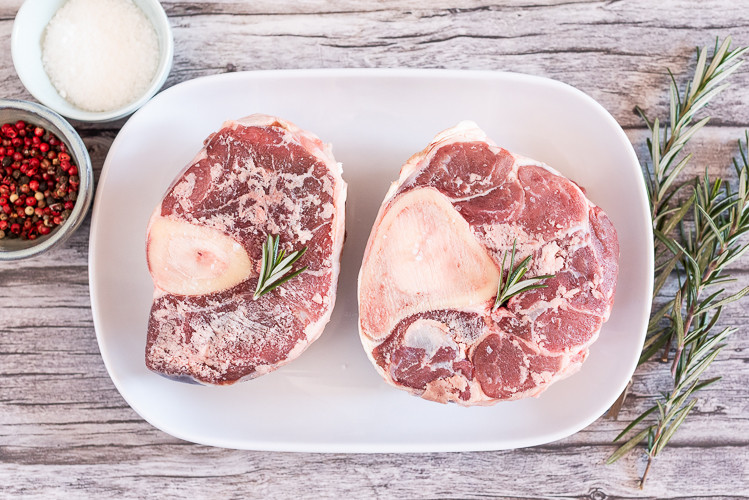
 Grass-fed beef. Our cattle spend almost all of their lives out on pasture, with only the occasional visit to the barn, mainly if the weather is particularly unpleasant, or if we need to handle them and it is easier to use gates instead of electric fencing. Our cattle eat only grass and hay and graze as a herd, except during breeding season, when those we don’t want bred are kept separate from the bull.
 Pastured Pork. Our sows, Sneeze and Hiccup are all cozy for the winter, waiting to farrow in March and treat us to another couple litters of adorable piglets whole live the majority of their lives out on pasture. They make mud pits, root around in the grass and make sport out of racing back and forth to the feeders when we check in on them at least twice a day.
 Pastured Chicken. Our poultry are raised in pens (to protect them from animals and birds that think they’d make a tasty snack) that are moved daily onto fresh grass. They spend their days deciding whether they want to be in the shade or sunlight, chasing after insects and scratching in the dirt and grass. We think they’ve got it pretty good.
And… if we have time, energy and capacity, we’ve got ideas about a pie-of-the-month club, fresh bread and so much more! Keep checking back to see what else we’re rolling out, or sign up to be part of our email newsletters here.